Life with three little ones is a beautiful whirlwind. Some days, it feels like I spend more time wiping down sticky counters and refereeing sibling squabbles than actually cooking. Yet, in our home, food remains a cornerstone of love and connection.
It doesn’t have to be complicated, though. My philosophy is simple: nourishing ingredients, straightforward steps, and flavors that bring everyone to the table. That’s precisely why these Cottage Cheese Dinner Rolls have become a cherished staple.
I remember the first time I made them. The kids, usually suspicious of anything new, devoured them warm from the oven, slathered with a little butter. My eldest, usually a picky eater, even asked for a second. That’s a win in my book!
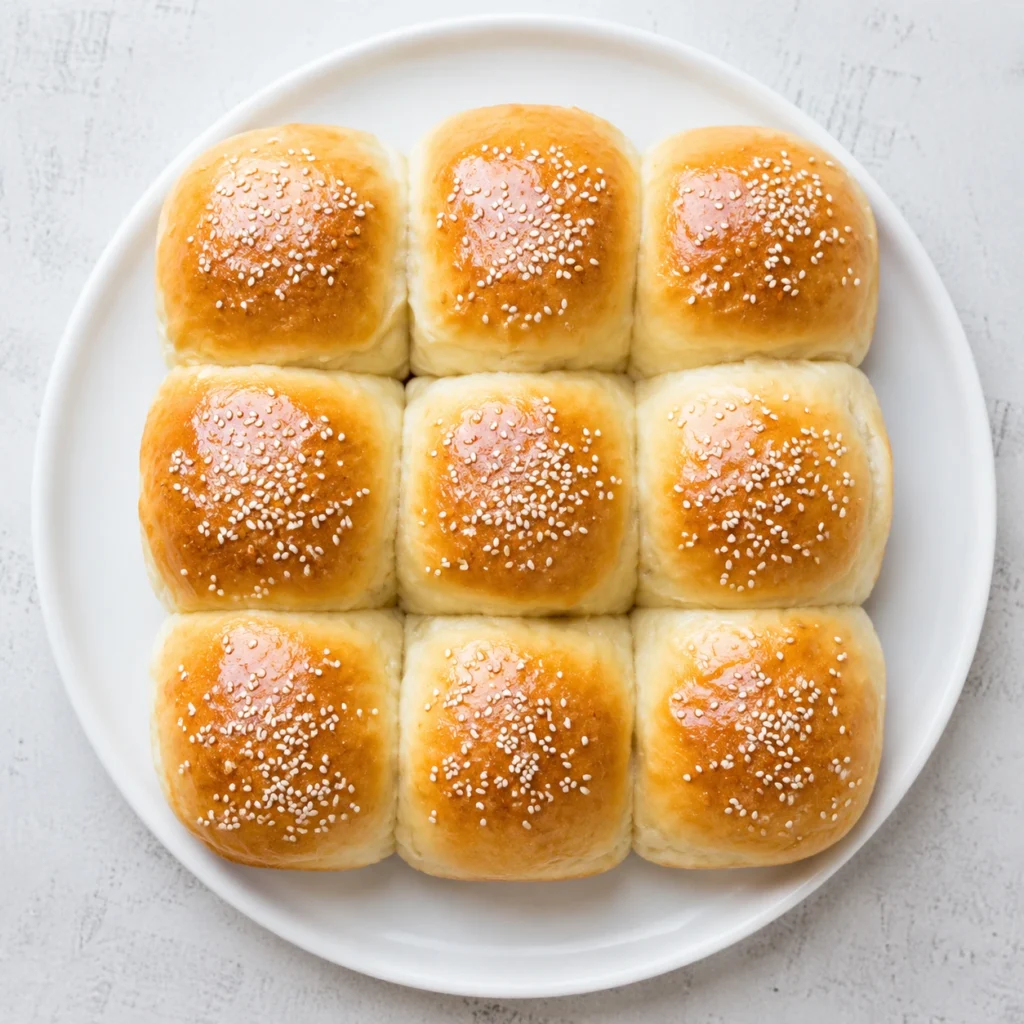
These aren’t just any dinner rolls; they’re incredibly soft, wonderfully fluffy, and packed with a secret ingredient that boosts the protein and moisture: cottage cheese! Don’t worry, you won’t taste the cottage cheese itself, but you’ll certainly notice the incredible texture and subtle richness it lends to these homemade rolls. They quickly became the perfect accompaniment to almost any meal, transforming a simple dinner into something special.
They’re a testament to how simple, wholesome ingredients can create something truly extraordinary, proving that healthy and delicious can absolutely go hand in hand. Plus, whipping up a batch of these protein packed rolls fits perfectly into our busy schedule, much like a batch of Peanut Butter Overnight Oats makes our mornings smoother. Simple, nourishing, and always a crowd-pleaser.
[image 1]
Print
Cottage Cheese Dinner Rolls
These incredibly soft and fluffy dinner rolls get a secret protein and moisture boost from cottage cheese. They’re simple to make and perfect for any meal, from hearty stews to light salads, and even make fantastic mini-sandwiches. A wholesome, crowd-pleasing staple that proves healthy and delicious go hand-in-hand.
- Total Time: 2 hours 20 minutes (including rising time)
- Yield: 12 rolls 1x
Ingredients
1 package (2 1/4 tsp) active dry yeast
1 tbsp granulated sugar
1/2 cup warm water (105-115°F)
1 large egg
1/2 cup small curd cottage cheese
3 tbsp unsalted butter, melted
3 cups all-purpose flour
1 tsp salt
Instructions
1. 1. Activate the Yeast: In a large mixing bowl, combine warm water, sugar, and yeast. Let sit for 5-10 minutes until foamy.
2. 2. Add Wet Ingredients: Add egg, cottage cheese, and melted butter to the yeast mixture. Mix well.
3. 3. Combine Dry Ingredients: In a separate bowl, whisk together flour and salt.
4. 4. Form the Dough: Gradually add flour mixture to wet ingredients, mixing until a shaggy dough forms.
5. 5. Knead the Dough: Knead (by hand or with a stand mixer) for 7-10 minutes until smooth and elastic.
6. 6. First Rise: Place dough in a greased bowl, cover, and let rise in a warm spot for 1-1.5 hours until doubled.
7. 7. Shape the Rolls: Punch down dough, divide into 12 equal pieces, and roll into smooth balls.
8. 8. Second Rise: Arrange rolls in a greased 9×13-inch baking dish, cover, and let rise for 30-45 minutes until puffy.
9. 9. Preheat Oven & Prepare: Preheat oven to 375°F (190°C). Brush tops with melted butter or egg wash if desired.
10. 10. Bake: Bake for 18-22 minutes until golden brown. Rotate pan halfway through.
11. 11. Cool and Serve: Brush with more butter if desired. Cool slightly before serving warm.
Notes
Ensure yeast is active by checking for foam. Water temperature should be lukewarm (105-115°F). For make-ahead, after shaping, refrigerate overnight and let come to room temperature before baking. Rolls can be frozen for up to 2-3 months.
- Prep Time: 20 minutes
- Cook Time: 20 minutes
- Category: Dinner Rolls
- Method: Baking
- Cuisine: American
- Diet: Vegetarian
Nutrition
- Serving Size: 1 roll
- Calories: 180
- Sugar: 4g
- Sodium: 220mg
- Fat: 5g
- Saturated Fat: 3g
- Unsaturated Fat: 2g
- Trans Fat: 0g
- Carbohydrates: 27g
- Fiber: 1g
- Protein: 8g
- Cholesterol: 25mg
Why You’ll Love These Nourishing Cottage Cheese Dinner Rolls
You’re busy, I get it. We all crave easy wins in the kitchen that don’t compromise on taste or nutrition. These Cottage Cheese Dinner Rolls deliver on all fronts.
First and foremost, they are incredibly soft and fluffy. That’s a non negotiable for any good dinner roll, right? The cottage cheese works its magic, ensuring a tender crumb that stays moist for days, unlike some drier bread recipes. It’s a secret weapon for texture, really.
Beyond the amazing texture, these rolls offer a hidden boost of protein. Cottage cheese naturally increases the protein content, making these dinner rolls a more satisfying addition to your meal. You feel fuller longer, and you’re getting a little extra goodness without even trying. This makes them an excellent choice for growing kids or anyone looking for more protein in their diet.
Furthermore, this recipe is surprisingly simple to make. Don’t let homemade bread intimidate you. If you can mix, knead (even with a stand mixer!), and wait, you can make these rolls.
The process is straightforward, requiring basic ingredients you probably already have in your pantry. It’s a wonderful entry point into the world of bread making, offering a big reward for minimal effort. The aroma of fresh-baked bread filling your home is an instant mood booster, a comforting signal that a delicious, wholesome meal is on its way.
They are also incredibly versatile. These rolls pair beautifully with everything from hearty stews to light salads. They transform a simple weeknight meal into something a bit more special.
My kids love them plain, hot from the oven, or split and filled with a little ham and cheese. They’re also fantastic for making mini sandwiches for lunchboxes. Plus, watching them rise in the oven gives you a delightful sense of accomplishment. It’s a simple joy that comes from creating something so wholesome and delicious for your family.
Ingredients You’ll Need
Gathering your ingredients is the first step to baking these fantastic Cottage Cheese Dinner Rolls. You likely have most of these on hand already. Each ingredient plays a crucial role in creating their signature soft texture and subtle flavor.
| Ingredient | Purpose |
|---|---|
| Active Dry Yeast | This is your leavening agent. It makes the rolls rise, creating that light, airy texture. Ensure it’s active for a good rise. |
| Granulated Sugar | Feeds the yeast, helping it activate and grow. It also adds a touch of sweetness to the rolls. |
| Warm Water | Activates the yeast. Aim for lukewarm, around 105-115°F (40-46°C). Too hot kills the yeast; too cold won’t activate it. |
| Large Egg | Adds richness, helps bind the dough, and contributes to a beautiful golden-brown crust. |
| Cottage Cheese (small curd) | The star ingredient! It provides moisture, protein, and an incredibly tender crumb. Don’t worry, you won’t taste it. |
| Unsalted Butter (melted) | Adds richness and flavor to the dough, ensuring a soft, luxurious texture. |
| All-Purpose Flour | The main structural component of the rolls. Use unbleached for best results. |
| Salt | Enhances the flavor of the rolls and helps regulate yeast activity. Don’t skip it! |
Always measure your flour correctly. Spoon it into your measuring cup and level it off with a straight edge. This prevents adding too much flour, which can lead to dry, dense rolls. Having your ingredients ready before you start makes the process much smoother and more enjoyable.
[image 2]
Substitutions & Variations
Flexibility in the kitchen makes cooking less stressful and more creative. These Cottage Cheese Dinner Rolls are quite forgiving, allowing for several easy adjustments to suit your dietary needs or just to mix things up. Always remember, baking is a science, so some substitutions work better than others!
Flour Alternatives: While all-purpose flour gives the best texture, you can experiment. For a slightly denser, chewier roll, substitute up to half of the all-purpose flour with whole wheat flour. You’ll get a nutrient boost!If you need a gluten-free option, use a 1:1 gluten-free baking flour blend that contains xanthan gum. You might need to adjust the liquid slightly, as gluten-free flours absorb differently. Start with less liquid and add more as needed.
Dairy-Free Options: To make these rolls dairy-free, use a plain, unsweetened dairy-free cottage cheese alternative. Brands like Kite Hill offer good options. Substitute unsalted butter with a dairy-free butter stick or coconut oil. Ensure your dairy-free cottage cheese has a good consistency; some can be too watery. Drain any excess liquid if necessary.
Sweetener Swaps: You can replace granulated sugar with honey or maple syrup. If using liquid sweeteners, reduce the warm water by an equal amount to maintain the correct dough consistency. Brown sugar also works beautifully, adding a subtle molasses flavor.
Flavor Boosts: Get creative with additions! For a savory twist, knead in a half cup of shredded cheddar cheese, a quarter cup of chopped fresh chives, or a teaspoon of garlic powder. Italian seasoning or dried oregano also makes a lovely addition, especially if serving with pasta or a hearty stew. For a touch of sweetness, add a teaspoon of cinnamon or a quarter cup of dried cranberries.
Egg Substitute: If you need an egg-free option, use a flax egg (1 tablespoon ground flaxseed mixed with 3 tablespoons water, let sit for 5 minutes). This will still help with binding, though the texture might be slightly different.
Experimentation is fun. Don’t be afraid to try small changes. You might discover your family’s new favorite variation!
Step-by-Step Instructions
Making homemade dinner rolls is a rewarding process, and these Cottage Cheese Dinner Rolls are simpler than you might think. Follow these steps carefully, and you’ll achieve perfectly soft and fluffy results every time.
Activate the Yeast: In a large mixing bowl (or the bowl of your stand mixer), combine the warm water, granulated sugar, and active dry yeast. Give it a gentle stir. Let this mixture sit for 5-10 minutes. The yeast should become foamy and bubbly. This shows it’s active and ready to work. If it doesn’t foam, your yeast is likely expired, or your water was too hot/cold. Start over with new yeast.
Add Wet Ingredients: Once the yeast is active, add the large egg, cottage cheese, and melted unsalted butter to the bowl. Mix everything together thoroughly until well combined. The mixture might look a little lumpy from the cottage cheese, but that’s perfectly normal.
Combine Dry Ingredients: In a separate medium bowl, whisk together the all-purpose flour and salt. This ensures the salt is evenly distributed throughout the dough.
Form the Dough: Gradually add the flour mixture to the wet ingredients, about a cup at a time, mixing well after each addition. If using a stand mixer, use the dough hook attachment. Mix on low speed until the dough comes together. It will be shaggy at first.
Knead the Dough: Increase the mixer speed to medium-low and knead the dough for 7-10 minutes. If kneading by hand, turn the dough out onto a lightly floured surface and knead vigorously for 10-12 minutes. The dough should become smooth, elastic, and less sticky. It should pass the “windowpane test,” meaning you can stretch a small piece thin enough to see light through it without tearing.
- First Rise: Lightly grease a clean large bowl with a little oil. Transfer the kneaded dough to the bowl, turning it once to coat. Cover the bowl tightly with plastic wrap or a clean kitchen towel.
Place it in a warm, draft-free spot for 1 to 1.5 hours, or until the dough has doubled in size. A slightly warm oven (turned off) works perfectly.
Shape the Rolls: Gently punch down the risen dough to release the air. Turn it out onto a lightly floured surface. Divide the dough into 12 equal pieces. For even rolls, you can use a kitchen scale (about 2.5-3 ounces per roll). Roll each piece into a smooth, tight ball. You want to create surface tension on top.
Second Rise: Arrange the shaped rolls in a lightly greased 9×13-inch baking dish. Ensure they are spaced a little apart. Cover the baking dish again with plastic wrap or a kitchen towel. Let the rolls rise in a warm spot for another 30-45 minutes, or until they look puffy and have nearly doubled in size.
Preheat Oven & Prepare for Baking: While the rolls are on their second rise, preheat your oven to 375°F (190°C). You can brush the tops of the risen rolls with a little melted butter or an egg wash (one egg whisked with a tablespoon of water) for a golden crust.
Bake: Bake the rolls for 18-22 minutes, or until they are golden brown on top and sound hollow when tapped on the bottom. Rotate the pan halfway through baking for even browning.
Cool and Serve: Remove the rolls from the oven. For extra shine and softness, you can brush them with a little more melted butter immediately after baking. Let them cool slightly in the pan for a few minutes before transferring them to a wire rack to cool completely. Serve warm and enjoy!
[image 3]
Pro Tips for Success
Even simple recipes benefit from a few expert insights. These tips will help you bake the most perfect Cottage Cheese Dinner Rolls every single time, ensuring a delicious outcome your family will love.
Check Your Yeast: Always ensure your yeast is active. If your warm water/sugar/yeast mixture doesn’t get foamy after 5-10 minutes, your yeast is likely dead. This happens, so don’t be discouraged. Discard it and start fresh with new yeast. This simple step prevents flat, dense rolls.
Perfect Water Temperature: Lukewarm water is crucial for activating yeast. Aim for 105-115°F (40-46°C). Use a kitchen thermometer if you have one. Water that’s too hot will kill the yeast, while water that’s too cold won’t activate it properly, both resulting in poor rise.
Don’t Skimp on Kneading: Kneading develops the gluten in the flour, which creates the structure and elasticity needed for fluffy rolls. If using a stand mixer, ensure you knead for the full 7-10 minutes. If kneading by hand, be patient and consistent. A properly kneaded dough will be smooth, elastic, and spring back when poked.
Warm, Draft-Free Rise: Yeast loves warmth. Find a cozy spot for your dough to rise. My trick is to warm the oven to its lowest setting for a few minutes, then turn it off completely and place the covered bowl inside. Avoid open windows or cold areas, as drafts can inhibit the yeast’s activity, leading to a longer, less effective rise.
Don’t Over-Flour: When shaping, use as little extra flour as possible on your work surface. Adding too much flour can make your rolls dry and tough. The dough should be slightly tacky, not sticky. A bench scraper helps manage slightly stickier dough.
Shape Evenly: For consistent baking and a professional look, try to make your rolls roughly the same size. A kitchen scale helps immensely with this. Shaping them into tight balls creates surface tension, which helps them hold their shape and rise beautifully in the oven.
Patience with Rising: Don’t rush the rising process. The dough needs to double in size for both rises. If your kitchen is cool, it might take a little longer. A proper rise ensures light, airy rolls, so let the yeast do its job fully.
Brush for Golden Tops: For a beautiful golden-brown crust, brush the tops of your rolls with melted butter, milk, or an egg wash (one egg whisked with a tablespoon of water) just before baking. This also adds a lovely sheen and enhances flavor.
Storage & Reheating Tips
These Cottage Cheese Dinner Rolls are best enjoyed fresh from the oven, but they store beautifully, allowing you to savor their goodness for days. Knowing how to store and reheat them properly means you always have a delicious, ready-to-eat treat.
Room Temperature Storage: Once completely cooled, store the rolls in an airtight container or a large zip-top bag at room temperature for up to 3-4 days. Ensure they are fully cooled before sealing, as condensation can make them soggy.
Freezing for Longer: For longer storage, these rolls freeze exceptionally well. After they are completely cool, place them in a single layer on a baking sheet and freeze for about an hour until firm. Then, transfer the frozen rolls to a freezer-safe bag or airtight container. They will keep in the freezer for up to 2-3 months. Thaw frozen rolls at room temperature overnight or for a few hours before reheating.
Reheating in the Oven: The best way to revive day-old or thawed rolls is in the oven. Preheat your oven to 300°F (150°C). Place the rolls on a baking sheet and warm them for 5-10 minutes, or until they are soft and heated through. For a softer exterior, you can lightly mist them with water before reheating.
Microwave Reheating: If you’re in a hurry, you can reheat a single roll in the microwave. Wrap it in a damp paper towel and microwave for 10-15 seconds. Be careful not to overheat, as this can make them tough. Microwaved rolls are best eaten immediately.
Toasting: Leftover rolls also make excellent toast. Slice them in half horizontally and toast them in a toaster oven or under the broiler until golden. Spread with butter, jam, or even some cream cheese.
Having a batch of these rolls in the freezer is a fantastic meal prep hack for busy weeks. They make any dinner feel a little more special with minimal effort on your part!
What to Serve With This Recipe
These incredibly soft and savory Cottage Cheese Dinner Rolls are truly versatile, making them the perfect companion to a wide array of meals. They absorb sauces beautifully and offer a comforting counterpoint to richer dishes. Here are some of my favorite ways to enjoy them, making every meal a little more special:
Hearty Soups and Stews: There’s nothing quite like dipping a warm, fluffy roll into a robust soup or a rich stew. Think classic beef stew, a creamy tomato soup, or a flavorful lentil soup. The rolls soak up all the delicious broth, making each bite incredibly satisfying. They are a must-have with any comforting bowl on a chilly evening.
Roast Dinners: Whether it’s a succulent roast chicken, a tender pot roast, or a festive turkey, these rolls elevate the meal. They’re perfect for sopping up gravy or simply enjoying alongside your favorite roasted vegetables. The subtle sweetness of the rolls beautifully complements savory meats.
Pasta Dishes: While you might initially think of garlic bread with pasta, these dinner rolls offer a delightful alternative. Serve them with a rich lasagna, a comforting spaghetti and meatballs, or even a light pasta primavera. They are excellent for mopping up any leftover sauce on your plate. For a lighter, protein-packed option, try them with this High-Protein Pasta Salad.
Salads and Light Meals: These rolls can turn a simple salad into a more substantial meal. Pair them with a crisp green salad topped with grilled chicken, or alongside a vibrant grain bowl. They provide a satisfying carb component without being overly heavy. You could even enjoy them with a bowl of these delicious Hot Honey Chicken Bowls.
Sandwiches and Sliders: Their soft texture makes them ideal for turning into mini-sandwiches or sliders. Split them open and fill them with leftover roast beef, turkey, or even a simple slice of cheese and ham. They’re also fantastic for building little Smash Burger Tacos style mini-burgers, adding a different texture dimension.
Breakfast or Brunch: Don’t limit these to dinner! Split and toast them, then spread with butter and jam, or use them as the base for an egg and cheese breakfast sandwich. Their versatility means they work at any meal.
Simple Spreads: Sometimes, all you need is a warm roll with a simple spread. Butter, honey butter, a flavored cream cheese, or even a savory herb dip makes for a delightful snack or appetizer. My kids love them with just a touch of strawberry jam.
No matter how you serve them, these rolls always disappear quickly. Their comforting presence truly completes any meal.
FAQs About Cottage Cheese Dinner Rolls
I often get questions about specific ingredients or techniques when sharing new recipes. Here are some common queries about these delightful Cottage Cheese Dinner Rolls to help you bake with confidence.
Can I use low-fat or fat-free cottage cheese in this recipe?
Yes, you can absolutely use low-fat or fat-free cottage cheese. The main role of cottage cheese here is to add moisture and protein, and its fat content doesn’t significantly impact the final texture of the rolls. The full-fat version might lend a slightly richer flavor, but the difference is minimal.
Feel free to use what you have on hand or what best fits your dietary preferences. Ensure you drain any excess liquid if your cottage cheese seems particularly watery.
Do these dinner rolls taste like cottage cheese?
No, not at all! This is the most common question, and the answer is a resounding no. The cottage cheese completely blends into the dough during mixing and baking.
It melts away, leaving behind only incredible moisture, tenderness, and a boost of protein. You get none of the tangy flavor or lumpy texture of cottage cheese. It’s truly a secret ingredient that works magic in the background, making these rolls surprisingly light and fluffy without any cheesy taste.
Can I make the dough ahead of time?
Absolutely! These rolls are excellent for make-ahead convenience. After the first rise, you can punch down the dough, shape the rolls, and arrange them in the baking dish.
Then, instead of letting them undergo the second rise at room temperature, cover the dish tightly with plastic wrap and refrigerate it overnight (up to 24 hours). The next day, take the rolls out of the refrigerator and let them sit at room temperature for 1-2 hours until they have puffed up and returned to room temperature.
Then, proceed with baking as directed. This method is perfect for preparing fresh rolls for a busy morning or an evening meal without starting from scratch.
What if my dough isn’t rising?
If your dough isn’t rising, there are a few common culprits. First, check your yeast. Did it foam when you activated it?
If not, it was likely dead or expired. Second, check your water temperature. Water that is too hot kills the yeast, while water that is too cold won’t activate it.
Use lukewarm water. Third, ensure your rising environment is warm and draft-free. Cold temperatures significantly slow down or halt yeast activity.
Finally, make sure your flour isn’t too old or has too high a protein content, which can sometimes impact rise. Don’t worry, even experienced bakers face a slow rise sometimes!
Can I add other herbs or seasonings to the dough?
Yes, you definitely can! Adding herbs and seasonings is a fantastic way to customize these Cottage Cheese Dinner Rolls and complement different meals. For a savory twist, try kneading in a tablespoon of dried Italian herbs, a teaspoon of garlic powder, or a quarter cup of chopped fresh chives or dill with the flour.
You could also add a pinch of black pepper or a touch of onion powder. If you’re serving them with a specific cuisine, tailor your herbs accordingly. A little rosemary would be lovely with lamb, or some thyme with chicken.