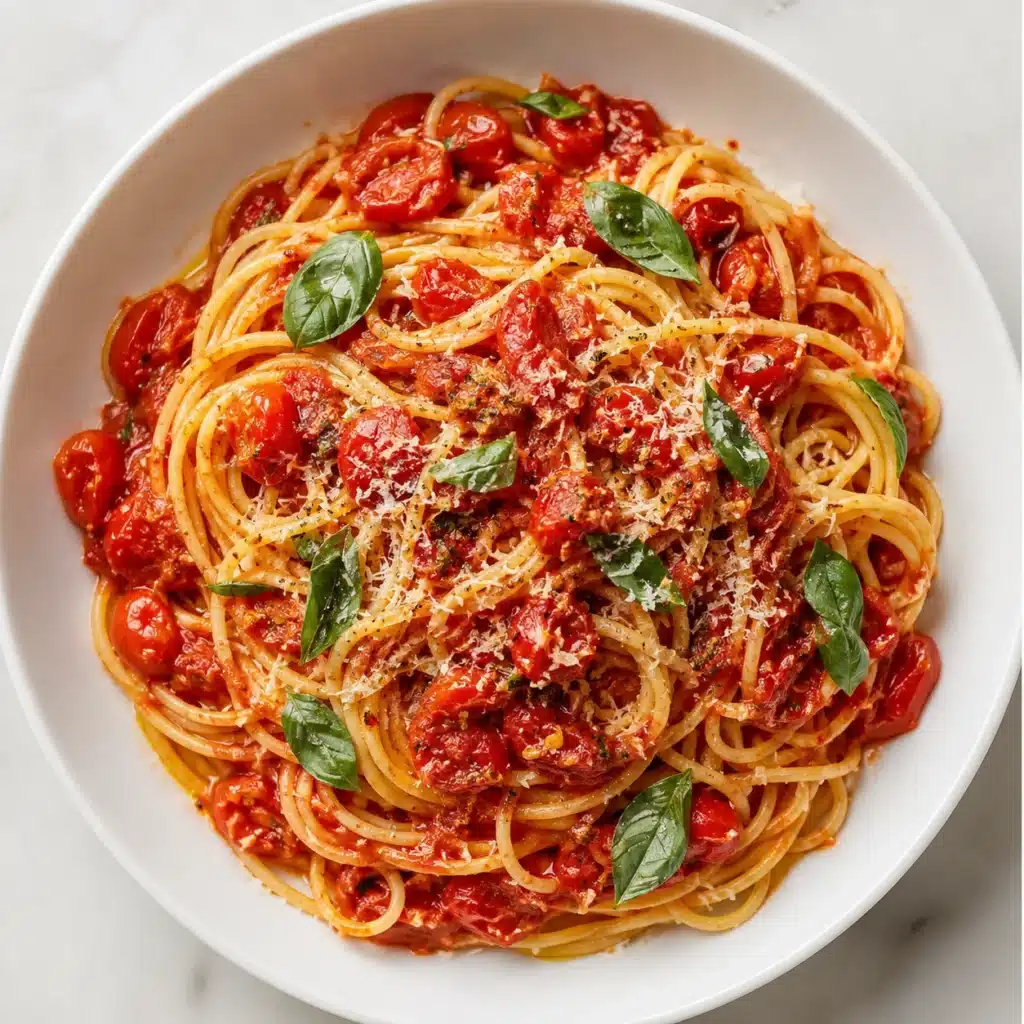
Oh, busy weeknights! As a mom of three, I often find myself staring into the refrigerator, wondering what magical, nourishing meal I can whip up that everyone will actually eat. More often than not, the answer comes in the form of a comforting bowl of pasta.
But not just any pasta; I am talking about my family’s absolute favorite: this incredible Melting Tomato Spaghetti. It’s the kind of dish that smells like a warm hug as it simmers, drawing my kids to the kitchen like magnets. They ask, “Mom, what’s that amazing smell?” My secret is truly simple: ripe, sweet tomatoes that literally melt into a luscious sauce, coating every strand of spaghetti with pure deliciousness.
I first stumbled upon the idea for this easy tomato pasta when I had a surplus of garden tomatoes. I wanted something beyond a basic marinara, something that truly celebrated their natural sweetness and richness without a lot of fuss. I wanted a simple spaghetti recipe that could be a weeknight hero, a dish that felt gourmet but took minimal effort.
And let me tell you, this recipe delivers! It quickly became a staple in our home, a creamy tomato pasta that satisfies even the pickiest eaters. It’s nourishing, straightforward, and truly tastes like love in a bowl. Each time I make this Melting Tomato Spaghetti, I am reminded that the best food doesn’t need to be complicated; it just needs good ingredients and a whole lot of heart.
Print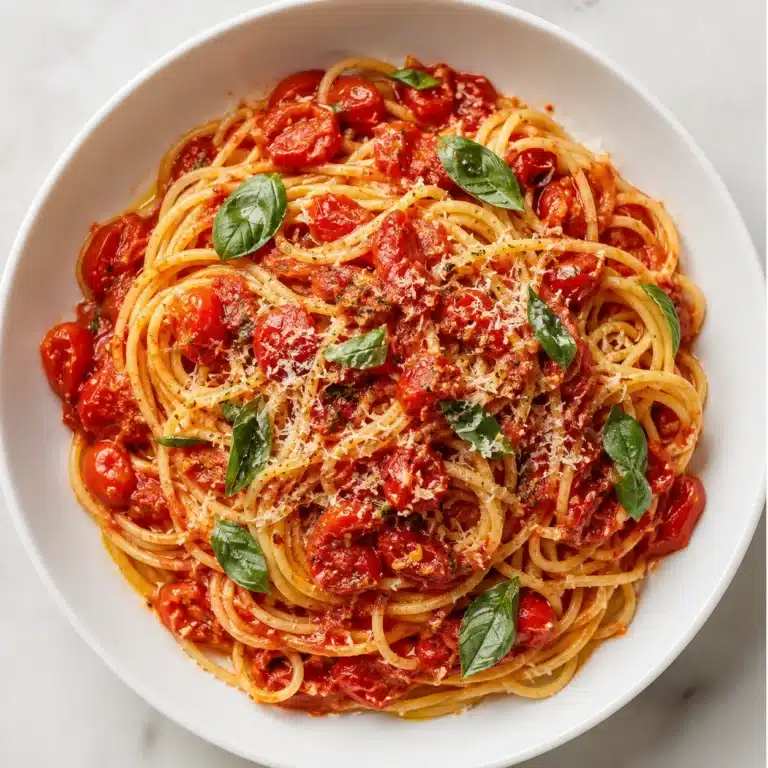
Melting Tomato Spaghetti
This family-favorite Melting Tomato Spaghetti is an easy weeknight meal featuring ripe cherry or grape tomatoes that melt into a luscious, naturally sweet, and savory sauce. It effortlessly coats every strand of spaghetti, creating a nourishing, versatile dish that’s simple to prepare with basic pantry staples and fresh ingredients. It’s designed to be a weeknight hero, tasting gourmet with minimal effort and satisfying even picky eaters.
- Total Time: 45-50 minutes
- Yield: 4-6 servings
Ingredients
Spaghetti: 1 pound
Ripe Cherry Tomatoes or Grape Tomatoes: 2 pints (about 4 cups)
Garlic: 4-6 cloves (minced)
Olive Oil: 3 tablespoons
Fresh Basil: 1/2 cup (chopped)
Parmesan Cheese: 1/2 cup (freshly grated)
Vegetable Broth or Pasta Water: 1/2 cup
Red Pepper Flakes: 1/2 teaspoon (optional)
Salt: To taste (Kosher salt is recommended for cooking)
Black Pepper: To taste (Freshly ground pepper makes a difference)
Instructions
1. Step 1: Prepare Your Ingredients
2. First, wash your cherry or grape tomatoes thoroughly. Slice any larger tomatoes in half; smaller ones can stay whole. Mince your garlic cloves finely. Roughly chop your fresh basil. Grate your Parmesan cheese. Measure out your olive oil and vegetable broth or have your pasta water ready.
3. Step 2: Start the Sauce
4. Heat the olive oil in a large skillet or Dutch oven over medium heat. Once the oil shimmers, add the minced garlic and red pepper flakes (if using). Sauté for about 1 minute until fragrant, being careful not to burn the garlic. Burnt garlic tastes bitter, so watch it closely.
5. Step 3: Melt the Tomatoes
6. Next, add all the cherry or grape tomatoes to the skillet. Season generously with salt and black pepper. Stir to coat the tomatoes in the oil and garlic. Cover the skillet and reduce the heat to medium-low. Let the tomatoes cook for about 15-20 minutes, stirring occasionally. During this time, the tomatoes will burst and soften, releasing their juices and creating a beautiful, natural sauce. Gently press down on any stubborn tomatoes with the back of your spoon to help them break down. You want them to truly melt into a sauce, not just soften.
7. Step 4: Cook the Spaghetti
8. While the tomatoes are melting, bring a large pot of salted water to a rolling boil. Add the spaghetti and cook according to package directions until al dente. This usually takes 8-10 minutes. Before draining, reserve about 1 cup of the starchy pasta water. This liquid is gold for creating a silky, emulsified sauce.
9. Step 5: Combine Sauce and Pasta
10. Once the tomatoes have completely broken down into a luscious sauce, remove the skillet from the heat. Add the cooked and drained spaghetti directly into the tomato sauce. Pour in about 1/2 cup of the reserved pasta water or vegetable broth. Stir everything together vigorously. The starch from the pasta water will help create a wonderfully creamy and cohesive sauce that coats every strand. If the sauce seems too thick, add more pasta water, one tablespoon at a time, until you reach your desired consistency.
11. Step 6: Finish and Serve
12. Finally, stir in half of the freshly grated Parmesan cheese and most of the chopped fresh basil. Taste and adjust seasonings as needed. You might need a little more salt or pepper. Serve immediately, garnished with the remaining fresh basil and a generous sprinkle of additional Parmesan cheese. Enjoy this comforting and simple spaghetti recipe!
Notes
Pro Tips for Success:
– Choose the Right Tomatoes: Opt for ripe, sweet cherry or grape tomatoes for a naturally sweeter, more flavorful sauce.
– Do Not Rush the Melt: Allow tomatoes to cook down slowly over medium-low heat, covered, for 15-20 minutes. Gently pressing them helps.
– Salt Your Pasta Water Generously: Season pasta water like the sea (1-2 tablespoons per gallon) to flavor the pasta itself.
– Reserve That Pasta Water: This starchy liquid (about 1 cup) is crucial for emulsifying the sauce and achieving a silky, glossy texture.
– Finish in the Pan: Combine cooked spaghetti directly into the sauce pan to allow pasta to absorb flavors and starches to contribute to lusciousness.
– Fresh Herbs are Key: Do not skimp on fresh basil; stir it in at the very end to preserve its bright, aromatic flavor.
– Taste and Adjust: Always taste and adjust seasonings (salt, pepper, a pinch of sugar, or a squeeze of lemon juice) before serving.
Storage & Reheating Tips:
– Storing Leftovers: Allow to cool completely, then transfer to an airtight container. Refrigerate for up to 3-4 days or freeze for 2-3 months.
– Reheating from Refrigerator: Reheat on stovetop with a splash of water, broth, or olive oil over medium-low heat, stirring gently. Microwave in 1-minute intervals, covered loosely, adding liquid.
– Reheating from Freezer: Thaw overnight in the refrigerator, then reheat as above. Can reheat directly from frozen on stovetop with liquid, stirring frequently.
– Tips for Better Leftovers: Cook pasta slightly less al dente, keep extra sauce separate if possible, and add fresh basil when reheating.
FAQs:
– Canned tomatoes: While fresh are highly recommended, high-quality canned diced or fire-roasted tomatoes can be used in a pinch, though the unique burst and sweetness of fresh are special.
– Preventing sticking: Use a large pot with plenty of boiling, salted water. Stir pasta immediately and occasionally. Do not add oil to pasta water.
– Adding other vegetables: Absolutely! Sauté spinach, kale, zucchini, mushrooms, or bell peppers with garlic, or stir in roasted vegetables towards the end.
– Meal prepping: Yes, it reheats well. Cook pasta slightly less al dente if planning to reheat.
- Prep Time: 15 minutes
- Cook Time: 30-35 minutes
- Category: Main Course
- Method: Sautéing, Simmering, Boiling
- Cuisine: Italian-American
- Diet: Vegetarian
Nutrition
- Serving Size: 1/6 of recipe
- Calories: 367
- Sugar: 2.6
- Sodium: 143
- Fat: 10.4
- Saturated Fat: 2.5
- Unsaturated Fat: 7.9
- Carbohydrates: 61.5
- Fiber: 3.6
- Protein: 14.0
- Cholesterol: 5
Why You’ll Love This Melting Tomato Spaghetti Recipe
You will absolutely adore this Melting Tomato Spaghetti for so many wonderful reasons. First, it is incredibly simple. Seriously, even on your busiest days, you can easily get this nourishing pasta dish on the table.
It uses basic pantry staples and fresh ingredients, proving that delicious food does not require an endless shopping list or complex techniques. Second, the flavor is out of this world. Those tomatoes truly melt, creating a naturally sweet and savory sauce that clings perfectly to the spaghetti. This is not a watery sauce; it is rich and velvety, bursting with fresh tomato goodness.
Furthermore, this recipe offers fantastic versatility. You can easily adapt it to suit your family’s preferences or whatever ingredients you have on hand. It welcomes additions, making it a truly flexible meal solution.
Plus, it is a fantastic way to get your family, especially the little ones, to enjoy more vegetables. The sweet tomato base is so appealing that they often do not even realize they are eating a healthy, wholesome meal. This family-friendly spaghetti brings joy to the dinner table, making mealtime a moment of connection rather than a chore.
Lastly, cleanup is surprisingly minimal. You use just one pot for the sauce and another for the pasta, making post-dinner tidying a breeze. Prepare yourself; this easy tomato pasta will quickly become a cherished recipe in your home.
Ingredients You’ll Need
Gathering your ingredients for this Melting Tomato Spaghetti is a simple task. We focus on fresh, high-quality components that truly shine in the final dish. Each item plays a crucial role in creating that wonderfully rich and flavorful sauce.
| Ingredient | Quantity | Notes |
|---|---|---|
| Spaghetti | 1 pound | Use good quality spaghetti for the best texture. |
| Ripe Cherry Tomatoes or Grape Tomatoes | 2 pints (about 4 cups) | Sweet, ripe tomatoes are key for flavor. |
| Garlic | 4-6 cloves | Minced; adjust to your preference for garlic intensity. |
| Olive Oil | 3 tablespoons | Good extra virgin olive oil enhances the sauce. |
| Fresh Basil | 1/2 cup | Chopped, for garnish and flavor; do not skip this! |
| Parmesan Cheese | 1/2 cup | Freshly grated, for serving and stirring into the sauce. |
| Vegetable Broth or Pasta Water | 1/2 cup | Essential for creating a silky sauce. |
| Red Pepper Flakes | 1/2 teaspoon | Optional, for a touch of heat. |
| Salt | To taste | Kosher salt is recommended for cooking. |
| Black Pepper | To taste | Freshly ground pepper makes a difference. |
You probably have many of these items in your pantry already. This recipe truly celebrates fresh produce, particularly those vibrant tomatoes. Ensure your garlic is fresh, and pick up some fragrant basil. These simple ingredients come together to create an unforgettable meal.
[image 2]
Substitutions & Variations
One of the beautiful aspects of this Melting Tomato Spaghetti is its incredible adaptability. You can easily adjust it to suit dietary needs, ingredient availability, or simply your family’s current cravings. Here are some fantastic ways to switch things up:
Different Pasta Shapes
While spaghetti is classic, feel free to use other pasta shapes. Penne, rigatoni, rotini, or even linguine work wonderfully. Shorter pasta shapes are excellent for smaller hands.
For a lighter meal, consider whole wheat pasta or a gluten-free option. The melting tomato sauce truly coats any shape beautifully.
Add Protein
Make this dish a more complete meal by incorporating a protein. Cooked chicken, shrimp, or Italian sausage are all excellent choices. You can sauté them in the same pan before adding the tomatoes, building layers of flavor.
For a plant-based protein boost, stir in a can of drained and rinsed cannellini beans or chickpeas during the last few minutes of simmering. Cooked lentils also blend seamlessly into the rich tomato sauce, adding extra fiber and protein.
Vegetable Boost
Sneak in more vegetables! Sauté spinach, kale, zucchini, or bell peppers with the garlic before adding the tomatoes. They will soften beautifully and absorb the delicious flavors of the sauce.
A handful of fresh arugula stirred in at the end adds a peppery bite. For a heartier feel, roasted red peppers or sun-dried tomatoes (chopped) can elevate the umami notes. This is a great way to use up any lingering produce in your fridge.
Cheese Alternatives
If you do not have Parmesan, or simply want a different flavor profile, try other cheeses. Fresh mozzarella balls, torn into pieces, melt wonderfully into the hot pasta, creating delightful pockets of creaminess. A sprinkle of Pecorino Romano offers a sharper, saltier kick. Nutritional yeast is a fantastic dairy-free alternative that still provides a cheesy, umami flavor.
Spice It Up or Tone It Down
Adjust the red pepper flakes to your family’s heat preference. Omit them entirely for a completely mild dish, perfect for sensitive palates. Conversely, if you love a kick, add an extra pinch or two! A dash of smoked paprika can also add depth and warmth without much heat.
Herb Variations
While fresh basil is highly recommended, you can experiment with other fresh herbs. Fresh oregano or thyme can lend a different aromatic quality to the sauce. In a pinch, a teaspoon of dried Italian seasoning can work, but fresh herbs truly elevate this simple spaghetti recipe. Remember, fresh is always best when it comes to herbs in this type of dish.
Step-by-Step Instructions
Making this Melting Tomato Spaghetti is a straightforward process. Follow these steps, and you will have a delicious, nourishing meal ready in no time. Precision in timing makes all the difference for that perfect texture and flavor.
Step 1: Prepare Your Ingredients
First, wash your cherry or grape tomatoes thoroughly. Slice any larger tomatoes in half; smaller ones can stay whole. Mince your garlic cloves finely.
Roughly chop your fresh basil. Grate your Parmesan cheese. Measure out your olive oil and vegetable broth or have your pasta water ready.
Step 2: Start the Sauce
Heat the olive oil in a large skillet or Dutch oven over medium heat. Once the oil shimmers, add the minced garlic and red pepper flakes (if using). Sauté for about 1 minute until fragrant, being careful not to burn the garlic. Burnt garlic tastes bitter, so watch it closely.
Step 3: Melt the Tomatoes
Next, add all the cherry or grape tomatoes to the skillet. Season generously with salt and black pepper. Stir to coat the tomatoes in the oil and garlic.
Cover the skillet and reduce the heat to medium-low. Let the tomatoes cook for about 15-20 minutes, stirring occasionally. During this time, the tomatoes will burst and soften, releasing their juices and creating a beautiful, natural sauce.
Gently press down on any stubborn tomatoes with the back of your spoon to help them break down. You want them to truly melt into a sauce, not just soften.
Step 4: Cook the Spaghetti
While the tomatoes are melting, bring a large pot of salted water to a rolling boil. Add the spaghetti and cook according to package directions until al dente. This usually takes 8-10 minutes.
Before draining, reserve about 1 cup of the starchy pasta water. This liquid is gold for creating a silky, emulsified sauce.
Step 5: Combine Sauce and Pasta
Once the tomatoes have completely broken down into a luscious sauce, remove the skillet from the heat. Add the cooked and drained spaghetti directly into the tomato sauce. Pour in about 1/2 cup of the reserved pasta water or vegetable broth.
Stir everything together vigorously. The starch from the pasta water will help create a wonderfully creamy and cohesive sauce that coats every strand. If the sauce seems too thick, add more pasta water, one tablespoon at a time, until you reach your desired consistency.
Step 6: Finish and Serve
Finally, stir in half of the freshly grated Parmesan cheese and most of the chopped fresh basil. Taste and adjust seasonings as needed. You might need a little more salt or pepper.
Serve immediately, garnished with the remaining fresh basil and a generous sprinkle of additional Parmesan cheese. Enjoy this comforting and simple spaghetti recipe!
[image 3]
Pro Tips for Success
Achieving the perfect Melting Tomato Spaghetti involves a few smart moves. These tips will elevate your dish from good to absolutely fantastic, ensuring a restaurant-quality meal right in your own kitchen.
Choose the Right Tomatoes
The quality of your tomatoes is paramount. Opt for ripe, sweet cherry or grape tomatoes. They possess a higher sugar content and thinner skins, which means they burst and “melt” into a naturally sweeter, more flavorful sauce.
Out-of-season, less flavorful tomatoes will yield a less vibrant sauce. Heirloom cherry varieties often offer the best results.
Do Not Rush the Melt
The “melting” process takes time. Allow the tomatoes to cook down slowly over medium-low heat. Covering the skillet creates steam, helping them soften and burst more effectively.
Patience here rewards you with a deeply concentrated, naturally sweet sauce rather than just stewed tomatoes. Gently pressing them with a spoon helps break them down further.
Salt Your Pasta Water Generously
Always season your pasta water as if it were the sea. This is your only chance to flavor the pasta itself. Well-salted pasta water ensures your spaghetti tastes delicious on its own, which then translates to a more flavorful overall dish. A good rule of thumb is about 1-2 tablespoons of salt per gallon of water.
Reserve That Pasta Water
Never forget to reserve some pasta water! This starchy liquid is truly magical. It helps to emulsify the sauce, creating that wonderfully silky, glossy texture that clings beautifully to the spaghetti.
It acts as a natural binder, thickening the sauce without adding cream. Start with 1/2 cup and add more as needed to achieve your desired consistency for this creamy tomato pasta.
Finish in the Pan
Combine the cooked spaghetti directly into the sauce pan. This step is crucial for flavor and texture. The pasta absorbs the sauce’s flavors, and the residual heat helps the sauce cling. The starches on the pasta also release into the sauce, contributing to its lusciousness and helping it emulsify with the olive oil.
Fresh Herbs are Key
Do not skimp on the fresh basil. Stirring it in at the very end preserves its bright, aromatic flavor. Dried basil does not offer the same vibrant punch.
Fresh basil truly brightens the entire dish, providing a lovely contrast to the rich tomato flavor. A final sprinkle of fresh herbs makes a visual and aromatic difference.
Taste and Adjust
Always taste your sauce before serving. Does it need more salt? A pinch of sugar to balance the acidity of the tomatoes?
More pepper? A squeeze of lemon juice can sometimes brighten flavors. Adjusting seasonings at the end ensures your Melting Tomato Spaghetti reaches its peak deliciousness.
Storage & Reheating Tips
This Melting Tomato Spaghetti tastes best fresh, but leftovers are still absolutely delicious! Knowing how to store and reheat it properly ensures you can enjoy it for days to come without sacrificing flavor or texture. This makes it an excellent option for meal prepping on busy weeks.
Storing Leftovers
First, allow the spaghetti to cool completely to room temperature before storing. This prevents condensation and helps maintain quality. Transfer the cooled Melting Tomato Spaghetti to an airtight container.
Store it in the refrigerator for up to 3-4 days. For longer storage, you can freeze individual portions. Place them in freezer-safe containers or bags, ensuring you leave a little headspace for expansion.
Frozen spaghetti will maintain good quality for up to 2-3 months. Label with the date for easy tracking.
Reheating from the Refrigerator
For best results, reheat the spaghetti on the stovetop. Place the desired portion in a skillet over medium-low heat. Add a splash of water, vegetable broth, or even a little olive oil to help loosen the sauce and prevent it from drying out.
Stir gently and heat until warmed through, about 5-7 minutes. If reheating in the microwave, place a single serving in a microwave-safe dish. Add a tablespoon or two of water or broth, cover loosely, and heat in 1-minute intervals, stirring in between, until hot. Microwaved pasta can sometimes dry out, so watch it carefully.
Reheating from the Freezer
When reheating from frozen, it is best to thaw the spaghetti in the refrigerator overnight. Once thawed, follow the stovetop or microwave instructions as above. You can also reheat directly from frozen on the stovetop, but it will take longer.
Add a generous splash of liquid (broth or water) and heat over low heat, stirring frequently, until thawed and warmed through. Freezing pasta can sometimes alter the texture slightly, but the delicious flavor of the melting tomato sauce will still shine through.
Tips for Better Leftovers
- If you know you will have leftovers, consider cooking the pasta slightly less al dente. It will continue to cook a bit during reheating.
- Keep a small amount of extra sauce separate if possible. You can add it back when reheating to boost moisture and flavor.
- Fresh herbs like basil are best added just before serving. If you are reheating, add a fresh sprinkle to liven up the dish.
What to Serve With This Recipe
This Melting Tomato Spaghetti is incredibly satisfying on its own, making a complete and nourishing meal. However, you can easily pair it with a few simple sides to create an even more impressive spread. Here are some of my family’s favorite accompaniments that truly complement the rich tomato flavors.
Crusty Bread or Garlic Bread
A must-have! A warm, crusty baguette or a slice of homemade garlic bread is perfect for soaking up every last bit of that delicious, melting tomato sauce. The crisp exterior and soft interior provide a wonderful texture contrast to the spaghetti. You can even make your own quick garlic bread with some olive oil, minced garlic, and a sprinkle of dried herbs.
Simple Green Salad
A light and refreshing green salad offers a welcome contrast to the richness of the pasta. Toss mixed greens, cherry tomatoes, and cucumber with a simple vinaigrette. The acidity of the dressing cuts through the savory pasta beautifully. Consider a high protein pasta salad if you want another interesting pasta variation for lunch the next day.
Roasted Vegetables
Roasted broccoli, asparagus, or zucchini make excellent additions. Their slightly caramelized flavors and tender-crisp texture complement the spaghetti wonderfully. Toss them with a little olive oil, salt, and pepper, then roast until tender and slightly browned. This adds more nutrients and a satisfying bite to your meal.
Grilled or Pan-Seared Chicken
For a heartier meal, serve your Melting Tomato Spaghetti alongside grilled chicken breasts or pan-seared chicken thighs. The lean protein balances the pasta, creating a well-rounded dish. Season the chicken simply with salt, pepper, and herbs to let the spaghetti shine. You might even enjoy trying my Hot Honey Chicken Bowls for another delicious chicken option.
Meatballs or Italian Sausage
If you crave a more traditional Italian-American pairing, serve the spaghetti with homemade meatballs or cooked Italian sausage (either sweet or spicy). You can even simmer the cooked meatballs directly in the tomato sauce for the last few minutes to infuse them with flavor. This creates a robust and incredibly satisfying meal that everyone loves, just like my Smash Burger Tacos offer a satisfying, hearty meal on another night.
A Glass of Wine
For the adults, a glass of medium-bodied red wine, like a Sangiovese or a lighter Chianti, beautifully complements the tomato flavors. If you prefer white, a crisp Pinot Grigio also pairs nicely. This turns a simple weeknight meal into a lovely dining experience.
FAQs About Melting Tomato Spaghetti
I often receive questions about my Melting Tomato Spaghetti recipe, so I have compiled some of the most common ones here. These answers will help you achieve the best results and enjoy this delicious dish even more.
Can I use canned tomatoes instead of fresh for Melting Tomato Spaghetti?
While fresh cherry or grape tomatoes are highly recommended for their sweetness and ability to “melt” into a naturally luscious sauce, you can use high-quality canned diced tomatoes in a pinch. If you use canned, look for fire-roasted diced tomatoes for extra flavor.
You might need to simmer them a bit longer to achieve a similar thickness and sweetness, possibly adding a pinch of sugar to balance the acidity. However, the unique burst and sweetness of fresh tomatoes are what truly make this Melting Tomato Spaghetti special.
How do I prevent my spaghetti from sticking together?
To prevent your spaghetti from sticking, always use a large pot with plenty of water. Ensure the water is at a rolling boil before adding the pasta. Stir the pasta immediately after adding it to the pot and continue to stir occasionally during cooking.
Do not add oil to the pasta water; it does not prevent sticking and can actually prevent the sauce from adhering to the pasta. Proper water volume and consistent stirring are key for perfectly separated spaghetti strands.
Can I add vegetables other than tomatoes to this simple spaghetti recipe?
Absolutely! This recipe is incredibly versatile. Sautéing spinach, kale, zucchini, mushrooms, or bell peppers with the garlic at the beginning adds fantastic flavor and nutrients.
You can also stir in roasted vegetables towards the end of cooking. Just remember to add them at the right time so they cook through without becoming mushy. This is a great way to boost your vegetable intake and customize your simple spaghetti recipe.
Is this Melting Tomato Spaghetti suitable for meal prepping?
Yes, this Melting Tomato Spaghetti works wonderfully for meal prepping. You can cook a larger batch and portion it into airtight containers for easy lunches or dinners throughout the week. It reheats well on the stovetop or in the microwave.
As mentioned in the storage tips, consider cooking the pasta slightly less al dente if you plan to reheat it, as it will continue to cook a bit during the warming process. You could even prep my Peanut Butter Overnight Oats for breakfast meal prep!
What can I do if my tomato sauce tastes too acidic?
If your Melting Tomato Spaghetti sauce tastes a bit too acidic, a few simple tricks can help. Stir in a small pinch of sugar (start with 1/4 teaspoon) to balance the acidity. A tablespoon of unsalted butter swirled in at the end can also mellow the flavors and add richness.
Alternatively, a tiny splash of cream or a bit more grated Parmesan cheese can help neutralize the acidity and create a smoother, more balanced taste. Adjust gradually, tasting as you go.