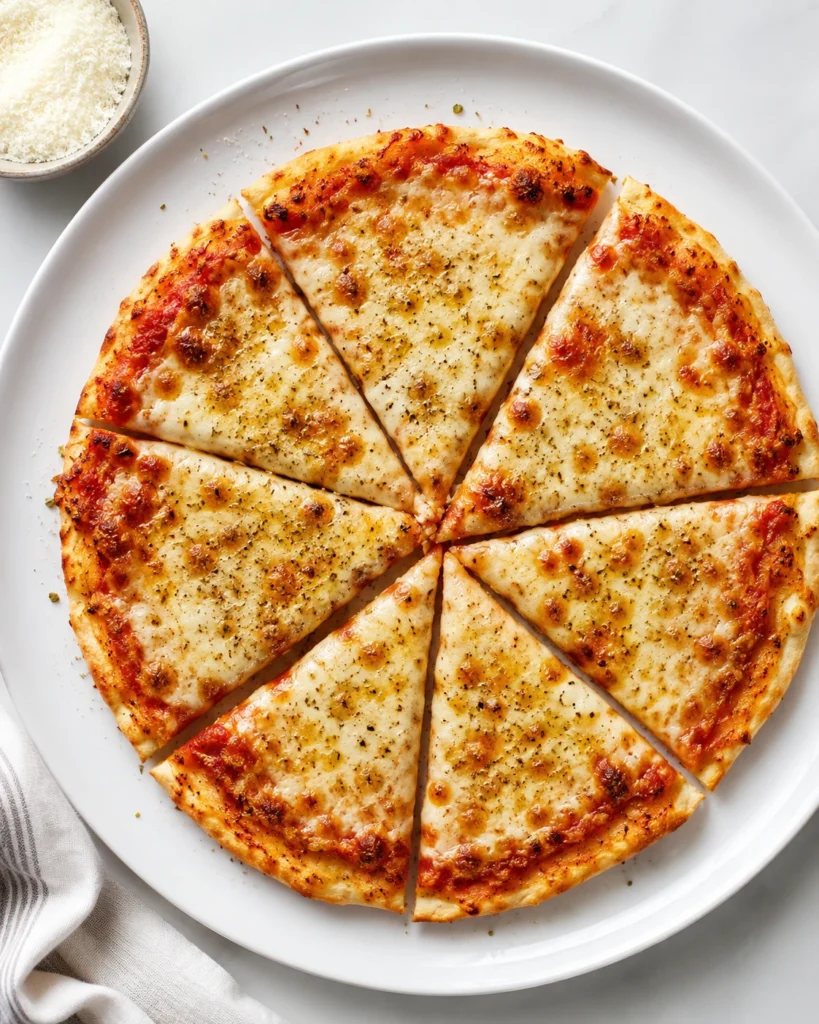
Oh, pizza night! It’s practically a sacred tradition in our house. But let’s be honest, as a mom of three, balancing convenience with nutrition can sometimes feel like a high wire act.
I remember those chaotic weeknights, scrambling after soccer practice, trying to whip up something everyone would actually eat and that didn’t leave me feeling guilty. Traditional pizza, while delicious, often meant a heavier meal, and I was always on the lookout for ways to make our family favorites a little lighter, a little more protein-packed, without sacrificing any of the joy.
Then, a few years ago, a friend raved about this innovative idea: Cottage Cheese Pizza Crust. My first thought? “Cottage cheese…
on a pizza? Emilia, are you sure?” But her enthusiasm was contagious, and I’m always game for a simple, nourishing experiment. I dove in, blended, baked, and topped it with our usual suspects.
The result? Pure magic! A crisp, flavorful, incredibly satisfying crust that tasted remarkably like actual pizza, but with a fantastic boost of protein and fewer carbs.
My kids, usually skeptical of anything “healthy,” devoured it without a single complaint. It quickly became a regular in our rotation, transforming our pizza nights from an occasional treat into a guilt-free, delicious, and easy weeknight win. If you’re looking for a healthier pizza option that doesn’t compromise on taste or texture, you simply must try this Cottage Cheese Pizza Crust recipe. It truly is a game changer for busy families who love good food!
Print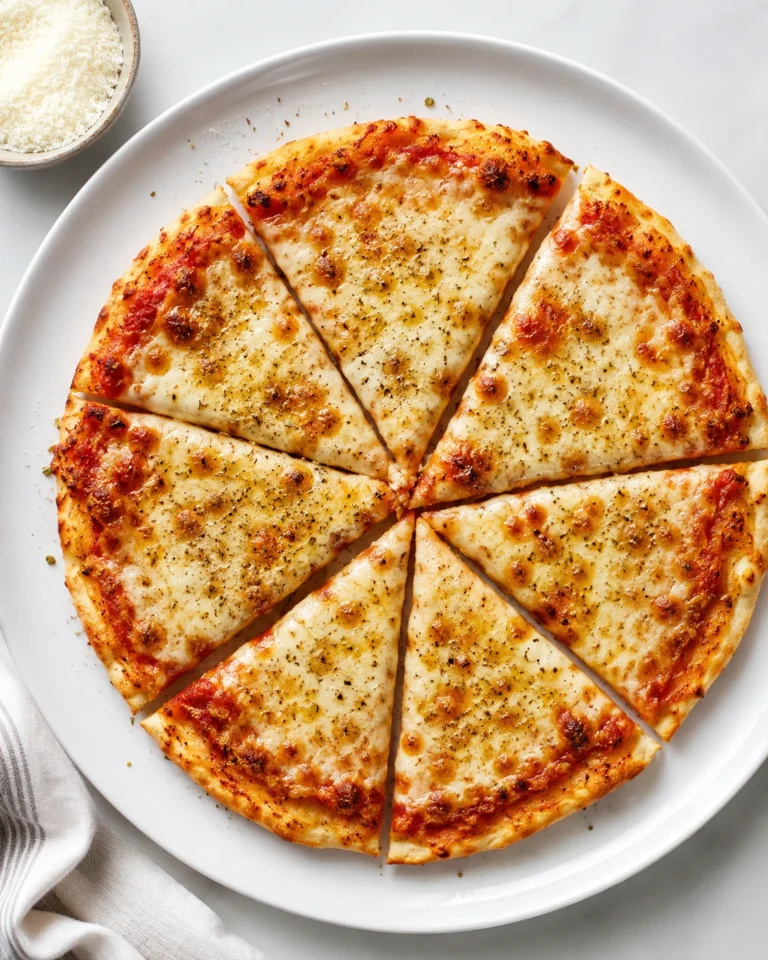
Cottage Cheese Pizza Crust
This high-protein cottage cheese pizza crust is a game-changer for busy families, offering a crispy, flavorful base that’s lower in carbs and packed with protein. Blended cottage cheese, egg, and oat flour create a simple, no-yeast dough that bakes into a sturdy, delicious crust perfect for any toppings. Ready in under an hour, it transforms pizza night into a guilt-free, nourishing meal that even picky eaters will devour.
- Total Time: 40 minutes
- Yield: 1 pizza (8 slices) 1x
Ingredients
1 ½ cups (340g) cottage cheese, small curd, drained
1 large egg
½ cup (60g) oat flour (certified gluten-free if needed)
¾ teaspoon garlic powder
¾ teaspoon Italian seasoning
¼ teaspoon salt
Pinch black pepper
2 tablespoons grated Parmesan cheese (optional, for extra flavor)
Instructions
1. 1. Preheat oven to 400°F (200°C). Line a large baking sheet with parchment paper.
2. 2. In a blender or food processor, combine drained cottage cheese and egg. Blend until completely smooth.
3. 3. Add oat flour, garlic powder, Italian seasoning, salt, pepper, and optional Parmesan. Blend until thick and uniform.
4. 4. Pour batter onto prepared baking sheet. Spread into a 10-12 inch circle or rectangle, about ¼ to ½ inch thick.
5. 5. Pre-bake for 20-25 minutes, until golden brown and firm to the touch.
6. 6. Remove from oven. Spread pizza sauce evenly, top with shredded mozzarella and desired toppings.
7. 7. Return to oven and bake for another 8-12 minutes, until cheese is melted and bubbly and crust is crisp.
8. 8. Cool on baking sheet for 5-10 minutes before slicing. Serve immediately.
Notes
For a crispier crust, drain cottage cheese in a fine-mesh sieve for 15-20 minutes before blending. Do not skip pre-baking; it ensures a sturdy base. Avoid overloading with wet toppings to prevent sogginess. To make keto-friendly, substitute oat flour with fine almond flour (start with 1/3 cup and adjust if needed). Store leftovers in an airtight container in the fridge for up to 3 days; reheat in oven or air fryer for best texture.
- Prep Time: 10 minutes
- Cook Time: 30 minutes
- Category: Main Course
- Method: Baking
- Cuisine: Italian-American
- Diet: Gluten-Free
Nutrition
- Serving Size: 1 slice
- Calories: 160
- Sugar: 2g
- Sodium: 350mg
- Fat: 6g
- Saturated Fat: 2g
- Unsaturated Fat: 3g
- Trans Fat: 0g
- Carbohydrates: 12g
- Fiber: 2g
- Protein: 14g
- Cholesterol: 60mg
Why You’ll Love This High-Protein Cottage Cheese Pizza Crust
This cottage cheese pizza crust isn’t just a recipe; it’s a solution to weeknight meal dilemmas. As a busy mom, I wholeheartedly stand behind recipes that deliver on taste, nutrition, and ease, and this one ticks every single box. You will absolutely adore this crust for so many compelling reasons, transforming your pizza nights forever.
First and foremost, it’s incredibly protein-packed. Cottage cheese is a fantastic source of protein, which means this pizza crust keeps you feeling fuller for longer. Say goodbye to that post-pizza slump! This protein boost supports muscle health and provides sustained energy, making it a truly nourishing meal choice for the whole family.
Furthermore, this crust offers a wonderful lower-carb alternative to traditional flour-based crusts. If you’re watching your carbohydrate intake or simply want a lighter option, this recipe becomes your new best friend. It provides all the satisfaction of pizza without the heavy feeling often associated with conventional dough.
Perhaps one of the biggest wins is its unbelievable simplicity. With just a handful of common ingredients and minimal prep time, you can whip up this crust faster than you can order takeout. No yeast, no rising time, no complicated kneading – just blend, spread, and bake! This ease makes it perfect for even the most hectic weeknights.
The versatility of this crust is another huge plus. It provides a sturdy yet tender base that stands up beautifully to all your favorite toppings. Whether you love classic pepperoni, a vibrant veggie medley, or something more adventurous like a hot honey chicken pizza, this cottage cheese pizza crust handles it all with grace. You possess full freedom to customize your pizza to everyone’s liking.
Lastly, and most importantly for any mom, this recipe is kid-friendly and genuinely delicious. Despite its healthier profile, the crust bakes up with a delightful texture and a subtle, savory flavor that complements any pizza sauce and topping combination. Even picky eaters won’t guess the secret ingredient.
You’ll feel good serving a meal that everyone enjoys and that fuels their active bodies. Embrace this clever twist on a classic, and you’ll quickly understand why it has become a staple in my kitchen!
Ingredients You’ll Need
Creating this delicious, protein-rich cottage cheese pizza crust requires just a few simple ingredients, many of which you likely already have on hand. The beauty of this recipe lies in its accessibility and the wholesome nature of its components. Each ingredient plays a crucial role in achieving that perfect texture and savory flavor. Here is what you’ll gather:
| Ingredient | Quantity | Notes |
|---|---|---|
| Cottage Cheese | 1 ½ cups (340g) | Full-fat or low-fat works well. Small curd blends smoother, but any curd size works. |
| Large Egg | 1 | Acts as a vital binder, helping the crust hold its shape and preventing crumbling. |
| Oat Flour | ½ cup (60g) | Provides structure, a subtle nutty flavor, and a satisfying chewiness. You can easily make your own by blending rolled oats. |
| Garlic Powder | ¾ teaspoon | Infuses the crust with a warm, aromatic, and distinctly savory foundation. |
| Italian Seasoning | ¾ teaspoon | A blend of classic herbs like oregano, basil, and thyme, essential for that authentic pizza taste. |
| Salt | ¼ teaspoon | Enhances all the other flavors, balancing the richness of the cottage cheese. |
| Black Pepper | Pinch | Adds a tiny bit of subtle warmth and zest to the flavor profile. |
| Optional: Grated Parmesan Cheese | 2 tablespoons | Stir this into the mixture for an extra layer of cheesy flavor and a slightly crispier edge. |
These ingredients combine beautifully to form a dough that’s incredibly easy to work with and bakes into a delightful base for all your pizza creations. The cottage cheese melts away, leaving no distinct texture but imparting incredible moisture and protein.
[image 2]
Substitutions & Variations
One of the things I truly love about this cottage cheese pizza crust is its incredible adaptability. As a mom constantly navigating different tastes and dietary needs, having a recipe that allows for easy tweaks is gold. Here are some fantastic substitutions and variations you can try to make this crust perfectly suited to your family and pantry:
Cottage Cheese Alternatives: While the recipe shines with cottage cheese, you have a little wiggle room. For a similar texture and protein boost, you could experiment with ricotta cheese, though it might yield a slightly softer crust. Ensure you drain any excess liquid from either option to prevent a soggy crust. Full-fat cottage cheese gives a richer flavor, while low-fat options work perfectly well for a lighter meal.
Flour Options: Oat flour provides a wonderful texture and a good fiber boost. However, if you’re looking for different dietary profiles:
- Almond Flour: For a truly keto-friendly and gluten-free option, substitute with a fine almond flour. You might need to adjust the quantity slightly, as almond flour absorbs liquid differently. Start with a bit less and add more if the mixture feels too wet.
- Gluten-Free All-Purpose Flour: If you need a gluten-free option but want a more neutral flavor than almond flour, a good quality gluten-free all-purpose flour blend (one that contains xanthan gum) works well.
- Whole Wheat Flour: For a more traditional, heartier texture and added fiber, you can use whole wheat flour. Again, you might need minor adjustments to liquid content.
Seasoning Swaps: Feel free to get creative with the flavor profile of your crust.
- Herbs: Add fresh chopped herbs like basil, oregano, or chives directly into the mixture for a brighter flavor.
- Spices: A pinch of onion powder, smoked paprika, or a dash of red pepper flakes for a little kick can really elevate the taste.
- Cheesy Boost: Stir in a tablespoon of nutritional yeast for an extra cheesy, umami flavor, especially if you’re avoiding dairy or want to amp up the nutrient content.
Topping Inspirations: This crust truly is a blank canvas. Here are some family-friendly ideas:
- Classic Italian: Marinara, mozzarella, pepperoni, and fresh basil.
- Veggie Delight: Pesto, roasted bell peppers, mushrooms, spinach, and feta cheese.
- Breakfast Pizza: Scrambled eggs, crumbled sausage or bacon, cheddar cheese, and a drizzle of hot sauce.
- BBQ Chicken: Shredded chicken tossed in BBQ sauce, red onion, and cilantro.
- Mediterranean Twist: Hummus spread, chopped cucumbers, tomatoes, olives, and a sprinkle of za’atar.
- Sweet Treat: While unconventional, a thin layer of cream cheese, sliced fruit, and a drizzle of honey can turn this into a unique dessert pizza (just omit the savory seasonings from the crust!).
Shape Shifting: Don’t limit yourself to a round pizza!
- Pizza Bites: Spread the mixture thinner and cut into small squares before baking for individual appetizer bites.
- Breadsticks: Form into long strips, sprinkle with extra Parmesan and garlic powder, and serve with marinara for dipping.
Experimenting with these variations keeps dinner exciting and ensures this versatile cottage cheese pizza crust remains a go-to favorite in your kitchen!
Step-by-Step Instructions
Making this cottage cheese pizza crust is wonderfully straightforward, perfect for a busy weeknight or a fun family cooking project. Follow these simple steps for a perfect, crispy, and delicious result every time. Embrace the ease and enjoy the process!
- Preheat Your Oven: First, preheat your oven to 400°F (200°C). This ensures your crust starts baking immediately and gets that lovely crisp texture. Line a large baking sheet with parchment paper. This step is absolutely crucial for preventing the crust from sticking, so do not skip it!
- Combine Wet Ingredients: In a high-speed blender or food processor, combine the cottage cheese and the large egg. Blend until the mixture is completely smooth and no curds remain. This creates the creamy base for your crust.
- Add Dry Ingredients: Now, add the oat flour, garlic powder, Italian seasoning, salt, and black pepper to the blender or food processor. If you are using optional Parmesan cheese, add it now as well. Blend again until all the ingredients are thoroughly combined into a thick, uniform batter. Scrape down the sides if necessary to ensure everything is incorporated.
- Spread the Crust: Pour the batter onto the prepared parchment-lined baking sheet. Using the back of a spoon or a small spatula, carefully spread the mixture into a roughly 10-12 inch circle or a rectangular shape, about ¼ to ½ inch thick. Try to achieve an even thickness to ensure uniform baking.
- Pre-Bake the Crust: Transfer the baking sheet to your preheated oven. Bake the crust for 20-25 minutes, or until it turns golden brown and feels firm to the touch. This pre-baking step is essential; it dries out the crust and gives it stability, preventing it from becoming soggy once you add your toppings.
- Add Your Toppings: Remove the pre-baked crust from the oven. Now, it’s time for the fun part! Spread your favorite pizza sauce evenly over the crust, leaving a small border for the edges. Then, generously sprinkle with shredded mozzarella cheese and arrange your desired toppings.
- Final Bake: Return the topped pizza to the oven. Bake for another 8-12 minutes, or until the cheese is melted, bubbly, and slightly golden, and the toppings are heated through. Keep a close eye on it to prevent burning.
- Cool and Serve: Carefully remove the pizza from the oven. Let it cool on the baking sheet for 5-10 minutes before sliding it onto a cutting board. This cooling period allows the crust to set up fully, making it easier to slice and preventing it from falling apart. Slice into wedges, serve immediately, and enjoy your delicious, homemade cottage cheese pizza crust!
[image 3]
Pro Tips for Success
Achieving the perfect, crispy, and delightful cottage cheese pizza crust involves a few key techniques. As a mom who has made this countless times, I’ve learned the little tricks that make all the difference. Follow these pro tips, and you will nail this recipe every single time, ensuring a delicious and satisfying pizza night for your family.
Drain Your Cottage Cheese: This is arguably the most crucial tip! Cottage cheese often contains excess moisture, which can lead to a soggy crust. Before blending, place your cottage cheese in a fine-mesh sieve or colander for about 15-20 minutes to allow any extra liquid to drip away. A drier cottage cheese yields a crispier crust.
Parchment Paper is Your Best Friend: Never, ever skip lining your baking sheet with parchment paper. This crust, while sturdy when baked, can stick if not properly prepared. Parchment paper ensures an easy release and makes cleanup a breeze. Do not try to substitute with aluminum foil directly on the pan; it will stick.
Blend Until Silky Smooth: For the best texture, blend the cottage cheese and egg until absolutely no curds remain. You want a completely smooth, uniform batter. This creates a cohesive crust that holds together beautifully and doesn’t have any surprise lumps.
Spread Evenly for Uniform Baking: When spreading the batter on the parchment paper, strive for an even thickness across the entire surface. Thicker spots will remain softer, while thinner spots might crisp up too much or even burn. An even spread ensures your whole crust bakes uniformly to that perfect golden crispness.
Pre-Baking is Non-Negotiable: The initial bake without toppings is essential. This step drives out moisture, sets the structure, and creates a sturdy foundation for your toppings. If you skip this, or don’t bake it long enough during this phase, you risk a soft, potentially soggy crust once you add sauce and cheese.
Don’t Overload Your Toppings: While tempting to pile everything on, resist the urge! Too many toppings introduce excessive moisture and weight, which can overwhelm the crust and make it soggy. Aim for a balanced layer of sauce, cheese, and your chosen ingredients for optimal results.
Cool Before Slicing: After the final bake, let your pizza rest for 5-10 minutes on the baking sheet before transferring it to a cutting board and slicing. This short cooling period allows the crust to firm up and solidify, preventing it from crumbling or tearing when you cut into it.
Customize Your Flavors: Don’t be afraid to experiment with the seasonings in the crust itself. Add a pinch of onion powder, some dried basil, or even a little nutritional yeast for an extra cheesy depth. Personalizing the crust enhances the overall experience.
By following these simple yet effective tips, you will consistently create a fantastic cottage cheese pizza crust that everyone will rave about. Happy pizza making!
Storage & Reheating Tips
This cottage cheese pizza crust tastes best fresh from the oven, but leftovers are absolutely delightful and totally manageable. As a busy mom, I appreciate any recipe that offers good storage and reheating options, extending its life and making future meals even easier. Here’s how you can properly store and reheat your delicious pizza.
Storing Leftover Pizza:
- Refrigerator: Once your pizza has cooled completely to room temperature, transfer any leftover slices to an airtight container. Alternatively, wrap individual slices tightly in plastic wrap and then place them in a larger Ziploc bag. Stored this way, the pizza will remain fresh in the refrigerator for up to 3-4 days. Prompt cooling prevents sogginess and maintains freshness.
- Freezer (Baked Crust Only): You can also freeze the pre-baked crust without toppings. After the initial bake, let the crust cool completely. Wrap it tightly in plastic wrap, then in aluminum foil, and place it in a freezer-safe bag. It will keep well in the freezer for up to 1 month. When ready to use, simply thaw in the refrigerator overnight, then add toppings and bake as directed.
- Freezer (Topped & Cooked Pizza): While possible, freezing a fully topped and cooked pizza can sometimes affect the texture of the toppings and make the crust a bit softer upon reheating. If you choose to freeze cooked slices, wrap them individually in plastic wrap and then foil, storing them in a freezer bag for up to 2-3 weeks.
Reheating Your Pizza:
- Oven (Best Method for Crispness): For optimal crispiness that mimics fresh-baked, preheat your oven to 350°F (175°C). Place the pizza slices directly on a baking sheet or a wire rack. Reheat for 10-15 minutes, or until the cheese is melted and bubbly and the crust is crisp again.
- Air Fryer (Excellent for Individual Slices): An air fryer works wonderfully for reheating individual slices, bringing them back to crisp perfection. Place a slice in the air fryer basket and cook at 325°F (160°C) for 5-7 minutes, checking periodically, until hot and crispy.
- Skillet (Good for Crust Crispness): Heat a non-stick skillet over medium-low heat. Place your pizza slice directly in the dry skillet. Cook for 3-5 minutes, or until the bottom is crispy. For melted cheese, you can add a tablespoon of water to the pan and cover it for the last minute of cooking to create steam.
- Microwave (Quickest, but Less Crispy): While the quickest option, the microwave will make your crust softer and less crispy. Reheat slices for 30-60 seconds, or until warmed through. This method is best when you prioritize speed over texture.
With these simple tips, you can enjoy the fantastic flavors of your cottage cheese pizza crust for days after baking!
What to Serve With This Recipe
This cottage cheese pizza crust creates a satisfying and protein-rich meal all on its own, but pairing it with the right sides elevates your family dinner to another level. As someone who believes in simple, nourishing meals, I always aim for complements that enhance the flavors without adding unnecessary fuss. Here are some of my favorite ideas for what to serve alongside this fantastic pizza:
Fresh Green Salad: You simply cannot go wrong with a crisp, vibrant green salad. It provides a refreshing contrast to the rich flavors of the pizza and adds a boost of fresh vegetables. Think mixed greens, cherry tomatoes, cucumbers, and a light vinaigrette dressing. A simple balsamic or lemon-herb dressing works beautifully.
High-Protein Pasta Salad: For a heartier side that keeps the protein theme going, consider a High-Protein Pasta Salad. It offers a wonderful textural contrast and can be made ahead of time, which is always a win on busy evenings. Load it with chickpeas, diced veggies, and a light, zesty dressing.
Roasted Vegetables: Seasonal roasted vegetables are always a hit. Broccoli florets, asparagus spears, bell peppers, or zucchini tossed with a little olive oil, salt, and pepper, then roasted until tender-crisp, add sweetness and nutrients. They are easy to prepare and bring a lovely warmth to the meal.
Simple Fruit Salad: Sometimes, a light and naturally sweet side is all you need. A bowl of mixed fresh fruit berries, melon, grapes, or orange segments—offers a palate cleanser and a healthy touch of sweetness. It’s particularly refreshing after a savory pizza.
Soup (Light & Brothy): If you’re serving pizza on a cooler evening, a light, brothy soup makes an excellent companion. A simple minestrone, a clear chicken noodle soup, or a tomato basil soup can be comforting and adds another layer of warmth to your meal without being too heavy. This allows the pizza to remain the star.
Garlic Knots or Breadsticks (Optional Indulgence): If you crave a more traditional pizza parlor experience, you could quickly whip up some simple garlic knots or breadsticks. They are perfect for dipping into any leftover pizza sauce. Just remember, the cottage cheese crust already provides a good base, so keep these light.
Ultimately, the goal is to create a balanced and enjoyable meal. Choose sides that you and your family love, that complement the deliciousness of your cottage cheese pizza crust, and that fit into your “simple, nourishing” philosophy!
FAQs About Cottage Cheese Pizza Crust
Making a cottage cheese pizza crust often sparks questions, especially for first-timers. I love answering these common queries because understanding the ‘why’ behind the recipe helps you achieve perfect results and feel more confident in the kitchen. Here are some of the most frequently asked questions about this innovative and delicious pizza crust.
Is Cottage Cheese Pizza Crust Gluten-Free?
Yes, this cottage cheese pizza crust is naturally gluten-free, provided you use gluten-free ingredients. The recipe calls for oat flour, and while oats are inherently gluten-free, they can sometimes be cross-contaminated during processing. Therefore, always choose certified gluten-free oat flour to ensure your pizza remains completely safe for those with celiac disease or gluten sensitivities. If you opt for almond flour, that also makes it a fantastic gluten-free choice.
Can I Make This Cottage Cheese Pizza Crust Ahead of Time?
Absolutely! You can prepare the crust in advance, which is fantastic for meal prep. Simply follow the instructions through the pre-baking step (Step 5).
Once the crust is golden and firm, let it cool completely. You can then wrap it tightly in plastic wrap and store it in the refrigerator for up to 2-3 days. When you are ready to make pizza, just unwrap it, add your toppings, and bake as directed. This makes weeknight pizza nights incredibly quick and convenient!
Why Is My Cottage Cheese Pizza Crust Soggy?
Several factors can contribute to a soggy cottage cheese pizza crust, but the main culprits are usually excess moisture and insufficient pre-baking. Ensure you drain any excess liquid from your cottage cheese before blending. Also, do not skimp on the pre-baking time; the crust needs to be golden brown and firm to the touch before you add toppings.
If the crust isn’t dry enough initially, the moisture from the sauce and cheese will make it soggy. Finally, avoid overloading the pizza with too many wet toppings.
What Kind of Cottage Cheese Works Best?
For this recipe, both full-fat and low-fat cottage cheese work well, so choose based on your dietary preferences. I find that small curd cottage cheese blends more easily and smoothly into the batter, ensuring no chunky bits in your crust. However, any curd size will ultimately blend down. The most important factor, regardless of fat content or curd size, is to drain any excess liquid for a crispier crust, as mentioned in the pro tips.
Can I Use Different Flours for the Crust?
Yes, you can certainly experiment with different flours! While oat flour gives a great texture and flavor, almond flour makes an excellent low-carb and keto-friendly alternative, producing a slightly denser crust. Gluten-free all-purpose flour blends also work well if you need a gluten-free option with a neutral taste.
Remember that different flours absorb liquid differently, so you might need to slightly adjust the amount to achieve a spreadable, but not too wet, batter. Always start with the recipe’s specified amount and add more gradually if needed.
Is Cottage Cheese Pizza Crust Keto-Friendly?
This recipe can be adapted to be keto-friendly, but as written with oat flour, it is not strictly keto. Oat flour contains carbohydrates, making it unsuitable for a strict ketogenic diet.
To make this cottage cheese pizza crust keto, you would need to substitute the oat flour with a low-carb, keto-approved flour like fine almond flour or coconut flour (which requires different liquid ratios). If you make that substitution and choose keto-friendly toppings, then yes, you can enjoy a delicious keto cottage cheese pizza!